
Investing in a powerful CRM system is only half the battle. The real challenge for solar installation companies across India lies in getting your sales teams to actually use it effectively. Without proper CRM training India programs, even the most feature-rich platforms become expensive digital paperweights, with adoption rates plummeting and sales performance stagnating.
In 2026, as India’s solar market continues its explosive growth trajectory, the difference between high-performing solar companies and struggling ones often comes down to one factor: how well their teams leverage CRM technology. This comprehensive guide walks you through every step of creating an effective CRM training India program that transforms your solar sales team from CRM-resistant to CRM-powered.
Whether you’re onboarding a team of five or fifty, implementing QuickEst or another solar CRM platform, this guide provides actionable strategies to ensure your investment delivers measurable returns through improved sales performance, faster proposal generation, and better customer relationships.

Why CRM Training India Matters for Solar Sales Teams
The Indian solar industry faces unique challenges that make CRM training India programs absolutely critical. Unlike Western markets where digital literacy is more uniform, Indian solar companies often manage teams with vastly different technology comfort levels, from tech-savvy millennials to experienced field salespeople who’ve built their careers on relationship-building rather than software skills.
Research shows that poor CRM adoption costs Indian businesses an average of 40% of their CRM investment value. When sales teams don’t use the system consistently, you lose visibility into your pipeline, miss follow-up opportunities, and waste countless hours on manual processes that should be automated. For solar companies operating on tight margins, this inefficiency directly impacts your bottom line.
Proper CRM training India programs deliver measurable results. Companies that invest in comprehensive onboarding see 30-40% improvements in sales performance within the first quarter. Why? Because trained teams actually use features like automated follow-ups, mobile proposal generation, and lead scoring that directly accelerate the sales cycle.
Indian solar teams face specific challenges that make training even more critical:
- Language diversity: Teams across different states may be more comfortable with regional languages than English, requiring localized training materials
- Mobile-first needs: Field sales teams spend most of their time on-site with customers, not at desks, making mobile CRM proficiency essential
- Varying digital literacy: Team members range from digital natives to those who’ve never used cloud software before
- Connectivity challenges: Inconsistent internet access in certain regions requires training on offline capabilities and data syncing
- High turnover rates: The solar sales industry experiences significant staff turnover, necessitating repeatable, scalable training processes
The cost of inadequate training extends beyond just underutilized software. Sales teams that struggle with CRM systems often revert to spreadsheets and notebooks, creating data silos that prevent managers from accurately forecasting revenue or identifying bottlenecks in the sales process. This lack of visibility makes it nearly impossible to scale your solar business effectively.
1. Assess Your Team’s Current Skills and Training Needs
Before designing your CRM training India curriculum, you need a clear understanding of where your team stands today. A one-size-fits-all approach rarely works when you’re dealing with diverse skill levels and job responsibilities across your solar sales organization.
Start with a comprehensive skills audit. Gather your team and assess three key areas:
Technical proficiency: How comfortable are team members with smartphones, cloud applications, and basic software navigation? Create a simple survey asking about their daily technology usage, previous CRM experience, and comfort level with digital tools. This baseline helps you identify who needs foundational training versus advanced feature education.
Sales process knowledge: Understanding your solar sales workflow is just as important as technical skills. Do team members know when to move a lead from “contacted” to “proposal sent”? Can they articulate the difference between a qualified and unqualified lead? CRM training India programs must connect software features to real sales activities.
Current pain points: Ask your team what slows them down today. Are they spending too much time creating proposals manually? Missing follow-ups because they forget to set reminders? Struggling to find customer information quickly? These pain points become your training priorities because they directly connect CRM features to solving real problems.
Next, identify different user personas within your organization. Not everyone needs the same training depth:
- Field sales representatives: Need mobile app mastery, quick proposal generation, and on-the-go lead logging capabilities
- Inside sales teams: Require deep knowledge of lead management, follow-up automation, and pipeline tracking
- Sales managers: Must understand analytics dashboards, team performance tracking, and reporting features
- CRM administrators: Need comprehensive training on system configuration, user management, and integration setup
Map specific training requirements to each role. A field salesperson doesn’t need to know how to configure email templates, but they absolutely must master mobile proposal generation. Conversely, your CRM administrator needs deep technical knowledge but may not require training on daily sales activities.
Finally, set clear learning objectives and success metrics. What does “CRM proficiency” actually mean for your organization? Define specific, measurable goals such as:
- 100% of sales team can generate and send a solar proposal within 2 minutes using the CRM
- All leads are logged in the system within 1 hour of initial contact
- Follow-up tasks are completed on time 90% of the time
- Daily active usage reaches 80% of team members within 30 days of training
These concrete objectives give you benchmarks to measure training effectiveness and identify team members who need additional support. They also help you demonstrate the ROI of your CRM training India investment to company leadership.
2. Design Your CRM Training India Curriculum
A well-structured curriculum is the foundation of successful CRM training India programs. Rather than overwhelming your solar sales team with every feature at once, break training into digestible modules that build progressively on each other.
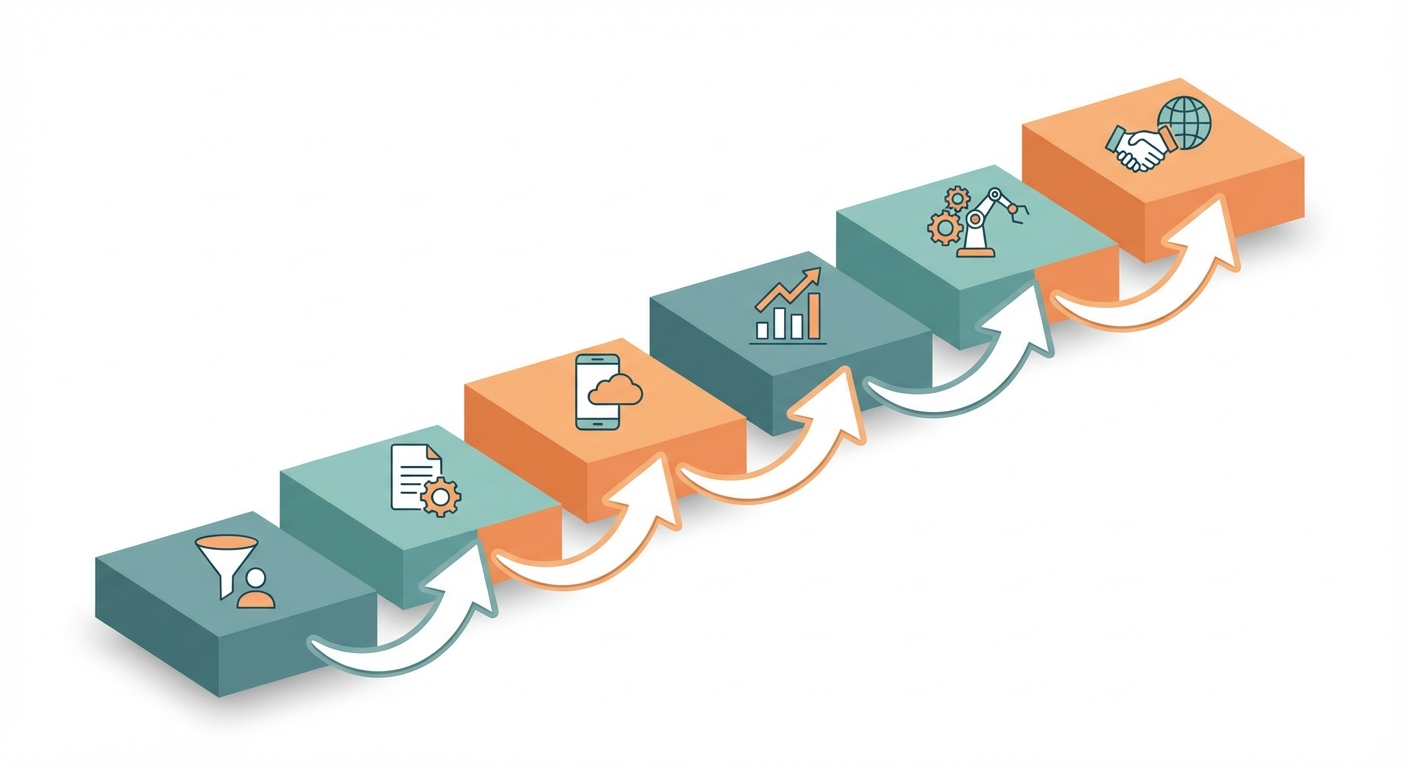
Here’s a proven six-module framework specifically designed for solar sales teams:
Module 1: CRM Basics and Navigation Fundamentals (30 minutes)
Start with the essentials. Show team members how to log in, navigate the main dashboard, and understand the basic interface layout. Cover password management, mobile app download, and initial profile setup. This module should be so simple that even the least tech-savvy team member feels confident moving forward.
Key topics include dashboard overview, menu navigation, search functionality, and basic settings customization. Use screen recordings and live demonstrations to show exactly where to click and what to expect.
Module 2: Lead Management and Customer Data Entry (45 minutes)
This module teaches the core activity that drives everything else: capturing and organizing customer information. Show your team how to add new leads manually, import contacts from their phone, and update customer details as relationships progress.
Focus on practical scenarios: “A customer calls asking about rooftop solar for their home. Let me show you exactly how to log this lead in 30 seconds.” Demonstrate proper data entry standards, required fields versus optional fields, and how to categorize leads by type (residential, commercial, agricultural).
Cover lead sources, status updates, and how to add notes from customer conversations. This is where you establish data quality standards that will make or break your CRM’s usefulness down the line.
Module 3: Solar Proposal Generation and Automation Features (60 minutes)
This is where your CRM training India program gets exciting for sales teams. Show them how platforms like QuickEst enable professional solar proposal creation in under 60 seconds. Walk through selecting system size, choosing components, customizing pricing, and generating branded PDF proposals.
Demonstrate the WhatsApp and email sending features that let field teams share proposals instantly while still on-site with customers. This immediate capability often creates the “aha moment” where team members realize how much time the CRM will save them.
Practice exercises should include creating proposals for different scenarios: a 5kW residential system, a 50kW commercial installation, and an agricultural pumping solution. The more hands-on practice, the better the retention.
Module 4: Follow-Up Automation and Task Management (45 minutes)
Teach your team how to never miss a follow-up again. Show them how to set automated reminders, create follow-up sequences, and use task management features to stay organized. This module directly addresses one of the biggest pain points in solar sales: consistent customer communication.
Demonstrate how to schedule follow-up calls, set email reminders, and use automated templates for common scenarios. Explain how the CRM can send automatic follow-ups after proposal delivery, ensuring no lead falls through the cracks. For more advanced strategies, reference comprehensive follow-up automation India techniques that can further streamline your sales process.
Module 5: Mobile App Usage for Field Sales Teams (30 minutes)
Since most Indian solar sales happen in the field, mobile proficiency is non-negotiable. This module should be conducted on actual mobile devices, not desktop computers. Show team members how to access the CRM on their smartphones, log leads while on-site, create proposals from their phone, and sync data when connectivity is limited.
Cover offline capabilities, photo uploads for site documentation, GPS check-ins, and mobile-optimized proposal sharing via WhatsApp. Practice scenarios like “You’re at a customer’s rooftop, they want a quote immediately, and you have spotty internet connection.”
Module 6: Analytics, Reporting, and Performance Tracking (45 minutes)
The final module focuses on how team members can track their own performance and how managers can monitor team metrics. Show sales representatives their personal dashboards: deals in pipeline, conversion rates, and upcoming tasks. Demonstrate how managers can view team performance, identify bottlenecks, and forecast revenue.
This module helps everyone understand that the CRM isn’t just about data entry—it’s about gaining insights that drive better sales decisions. When team members see how the system helps them hit their targets, adoption becomes self-reinforcing.
Training Delivery Methods for Maximum Retention
How you deliver your CRM training India content matters as much as what you teach. Research shows that people retain only 10% of what they hear, 20% of what they read, but 80% of what they experience through hands-on practice.
Implement a blended learning approach that combines multiple delivery methods:
Live training sessions: Conduct interactive workshops where trainers demonstrate features and participants follow along on their own devices. These sessions allow for real-time questions and immediate feedback. Keep groups small (8-12 people) to ensure everyone gets individual attention.
Video tutorials: Record each module as short video lessons (5-10 minutes each) that team members can reference later. These become your permanent training library that new hires can access during onboarding. Ensure videos include regional language subtitles or voiceovers for better comprehension across diverse teams.
Hands-on practice assignments: After each module, assign specific tasks that team members must complete in the CRM. For example, “Add 5 leads from your existing contacts, create a proposal for one of them, and set up a follow-up sequence.” Learning by doing dramatically improves retention.
Microlearning modules: Break complex topics into bite-sized lessons that busy sales professionals can complete in 5-10 minutes. Instead of a 2-hour training marathon, deliver 12 short modules that team members can complete between customer meetings.
Regional language support: If your team operates across multiple Indian states, provide training materials in Hindi, Tamil, Telugu, Marathi, or other relevant languages. Even if your CRM interface is in English, training in the team’s preferred language significantly improves comprehension and confidence.
Mobile-first training delivery: Since your field sales team works primarily from smartphones, deliver training content through mobile-friendly formats. Use WhatsApp groups to share quick tips, short video tutorials optimized for mobile viewing, and PDF quick-reference guides that work on small screens.
3. Implement Hands-On Practice Sessions
Theory without practice creates the illusion of learning. Your CRM training India program must include substantial hands-on time where team members actually use the system with realistic solar sales scenarios.
Create a sandbox environment or training account with sample data that mirrors your real business. Populate it with fictional leads representing typical Indian solar customers: residential homeowners in Delhi, commercial businesses in Bangalore, agricultural clients in Punjab. Include various lead stages, from initial inquiry to closed deals, so trainees can practice the full sales cycle.
Design role-playing exercises that simulate real-world situations your team encounters daily:
- Scenario 1: “A homeowner calls asking about a 5kW rooftop system. Log the lead, gather their requirements, and generate a proposal within 3 minutes.”
- Scenario 2: “You’re on-site with a commercial client who wants to see pricing for a 100kW system. Use your mobile app to create and send the proposal via WhatsApp before you leave.”
- Scenario 3: “A lead from last week hasn’t responded to your proposal. Set up an automated follow-up sequence with three touchpoints over the next 10 days.”
- Scenario 4: “Import 20 leads from an Excel file you received from a marketing campaign, categorize them by type, and assign them to appropriate sales team members.”
These scenarios should reflect the specific challenges of the Indian solar market. Include examples of residential rooftop installations (the fastest-growing segment), commercial and industrial projects, agricultural solar pumping systems, and government subsidy inquiries that are common in India.
Implement peer learning by pairing experienced CRM users with new team members. This buddy system provides immediate support when someone gets stuck and builds confidence faster than solo learning. Your CRM champions (more on this later) should lead these practice sessions, demonstrating best practices they’ve developed through real-world usage.
Conduct timed challenges to build speed and confidence. For example, “Everyone has 90 seconds to create a complete solar proposal for a 10kW residential system. Go!” This gamification element makes training more engaging while building the muscle memory needed for quick proposal generation—a key differentiator for solar companies using platforms like QuickEst.
Record common mistakes during practice sessions and address them immediately. If multiple team members struggle with the same feature, that’s a signal to adjust your training approach or simplify the workflow. Don’t wait until people are using the live system to discover these pain points.
4. Address Common CRM Training Challenges in India
Even the best-designed CRM training India programs encounter predictable obstacles. Anticipating these challenges and building solutions into your training approach dramatically improves adoption rates.
Overcoming resistance to change: Many experienced solar salespeople have built successful careers using notebooks, spreadsheets, and personal relationships. They view CRM systems as unnecessary bureaucracy that slows them down rather than helps them sell.
Address this resistance head-on by focusing on “what’s in it for me” rather than company mandates. Show how the CRM makes their individual jobs easier: “Instead of spending 30 minutes creating a proposal in Excel, you’ll do it in 60 seconds and send it via WhatsApp while still on-site with the customer. That means you can visit more customers per day and close more deals.”
Share success stories from early adopters on your team. When veteran salespeople see their peers closing deals faster and hitting higher targets using the CRM, resistance melts away. Make your top performers your training advocates.
Managing varying digital literacy levels: Your team likely includes both digital natives who’ve grown up with smartphones and experienced professionals who are less comfortable with technology. Training that’s too basic bores the former; training that’s too advanced overwhelms the latter.
Solve this by conducting a pre-training assessment and creating different learning tracks. Offer a “CRM fundamentals” track for those who need extra support with basic navigation and a “power user” track for tech-savvy team members who want to master advanced features quickly. This differentiated approach ensures everyone learns at their appropriate pace.
Ensuring consistent internet connectivity: While urban areas in India generally have reliable internet, field sales teams often work in locations with spotty connectivity. If your CRM requires constant internet access and team members can’t use it reliably in the field, adoption will fail.
During training, explicitly demonstrate offline capabilities. Show how to log leads, create proposals, and update customer information without internet, then sync data when connectivity returns. Practice this scenario repeatedly so team members trust that the system works even when they’re in areas with poor network coverage.
If your CRM lacks robust offline functionality, this becomes a critical factor in your CRM selection process. Mobile-first platforms designed for field sales teams typically handle offline scenarios better than desktop-centric systems.
Balancing training time with sales targets: Sales managers face a dilemma: team members need training time, but they also have quotas to hit. Taking salespeople out of the field for full-day training sessions can feel like sacrificing revenue for education.
Structure your training in short, focused sessions that minimize disruption. Instead of an 8-hour training day, deliver six 45-minute sessions over two weeks. Schedule training during typically slower sales periods (early mornings, late afternoons) when team members are less likely to be meeting customers.
Emphasize that the short-term time investment delivers long-term time savings. A salesperson who spends 4 hours in CRM training will save 2-3 hours per week on proposal creation and administrative tasks—a 10x return on time invested within just a few months.
Language and localization considerations: India’s linguistic diversity means your team may include members more comfortable in Hindi, Tamil, Telugu, Marathi, Bengali, or other regional languages. If training is conducted only in English, comprehension and retention suffer for non-native English speakers.
Provide training materials in multiple languages. Create video tutorials with regional language voiceovers or subtitles. Conduct live training sessions in the predominant language of each regional team. Even if the CRM interface itself is in English, training in the team’s preferred language significantly improves understanding and confidence.
Consider hiring or designating regional training coordinators who speak local languages and understand local business practices. They can adapt your core training curriculum to regional contexts, making examples and scenarios more relevant to local solar markets.
5. Drive User Adoption with Ongoing Support
Initial training is just the beginning. Sustainable CRM training India programs include robust ongoing support that helps team members overcome obstacles and continuously improve their skills.
Designate CRM champions: Identify 2-3 team members who are both technically proficient and enthusiastic about the CRM. These champions become your first line of support, answering questions from colleagues, sharing tips, and demonstrating best practices. Officially recognize their role and provide them with advanced training so they can support others effectively.
CRM champions should be distributed across different teams or regions. A field sales champion in Mumbai, an inside sales champion in Delhi, and a manager champion in Bangalore ensure that every team member has accessible support from someone who understands their specific role and challenges.
Establish a multi-channel support system: Different team members prefer different support channels. Create multiple pathways for getting help:
- WhatsApp support group: Create a dedicated group where team members can ask quick questions and get rapid responses from champions or trainers. The informal, mobile-first nature of WhatsApp makes it ideal for field sales teams.
- Video tutorial library: Maintain an organized collection of short how-to videos covering every CRM function. When someone forgets how to do something, they can quickly find a 2-minute video refresher.
- Quick reference guides: Create one-page PDF cheat sheets for common tasks: “How to Create a Proposal in 5 Steps,” “Lead Status Definitions,” “Mobile App Quick Start.” Make these available offline on team members’ phones.
- Help desk or support email: Provide a formal channel for technical issues that require administrator intervention or deeper troubleshooting.
Conduct weekly refresher sessions: For the first 2 months after initial training, hold brief weekly sessions (15-20 minutes) to reinforce key concepts, address common questions, and introduce additional features gradually. These sessions prevent knowledge decay and provide regular touchpoints to assess adoption progress.
Use these refresher sessions to share success stories: “Rajesh closed three deals this week using the mobile proposal feature. Let’s have him show us his workflow.” Peer learning and social proof are powerful adoption drivers.
Implement a feedback loop: Regularly solicit feedback from your team about what’s working and what’s not. Create a simple monthly survey asking:
- Which CRM features are you using daily?
- Which features are you avoiding or struggling with?
- What would make the CRM more useful for your specific role?
- What additional training would be helpful?
Act on this feedback visibly. If multiple team members request training on a specific feature, schedule a focused session on that topic. When you demonstrate that you’re listening and adapting based on their input, team members become more invested in the system’s success.
For teams implementing comprehensive CRM systems, consider reviewing detailed CRM implementation India strategies that cover both technical setup and change management approaches that support long-term adoption.
6. Measure Training Success and CRM ROI
You can’t improve what you don’t measure. Effective CRM training India programs include clear metrics that demonstrate training effectiveness and overall CRM return on investment.
Track adoption metrics: These indicators show whether team members are actually using the system consistently:
- Daily active users: What percentage of your team logs into the CRM each day? Target 80%+ within 30 days of training.
- Data entry completion: Are team members logging all leads and updating customer information consistently? Track the percentage of leads with complete data fields.
- Feature usage rates: Which features are being used regularly and which are ignored? Low usage of key features like proposal generation or follow-up automation indicates training gaps.
- Mobile app adoption: For field sales teams, mobile usage should exceed desktop usage. Track the ratio of mobile to desktop logins.
- Time to proficiency: How long does it take new team members to reach full productivity with the CRM? Effective training should reduce this timeline significantly.
Monitor sales performance improvements: The ultimate measure of CRM training success is impact on sales results:
- Proposal generation speed: How quickly can team members create and send solar proposals? Platforms like QuickEst target 60-second proposal generation—measure whether your team achieves this benchmark.
- Conversion rates: Are leads converting to customers at higher rates after CRM implementation? Track conversion percentages by stage (lead to qualified, qualified to proposal, proposal to closed).
- Follow-up consistency: Are team members completing follow-up tasks on time? Measure the percentage of follow-ups completed within the scheduled timeframe.
- Sales cycle length: Has the average time from first contact to closed deal decreased? Effective CRM usage typically shortens sales cycles by 15-25%.
- Revenue per salesperson: The bottom-line metric—are individual salespeople closing more deals and generating more revenue after CRM training?
Conduct post-training assessments: Implement a certification program where team members must demonstrate proficiency in core CRM functions. This could be a practical test where they complete specific tasks within time limits or a quiz covering key concepts and workflows.
Certification serves multiple purposes: it validates that training was effective, identifies team members who need additional support, and creates a sense of accomplishment that reinforces the importance of CRM skills.
Calculate CRM ROI: Quantify the financial return on your CRM and training investment. Calculate time saved through automation, revenue gained from improved conversion rates, and costs avoided through better efficiency:
Example ROI calculation for a 10-person solar sales team:
- Time saved on proposal creation: 2 hours per person per week × 10 people × ₹500/hour = ₹10,000 weekly savings
- Additional deals closed due to better follow-up: 2 extra deals per month × ₹50,000 average profit = ₹100,000 monthly revenue increase
- CRM cost: ₹6,999 per user annually = ₹69,990 annual cost for 10 users
- Training investment: ₹50,000 one-time cost
- First-year ROI: (₹1,200,000 revenue increase + ₹520,000 time savings – ₹69,990 CRM cost – ₹50,000 training) / ₹119,990 = 1,383% ROI
These calculations help justify your CRM investment to leadership and demonstrate the value of comprehensive training. For detailed guidance on understanding CRM costs and value, explore solar CRM software costs and what drives pricing in the Indian market.
Gather user satisfaction feedback: Beyond quantitative metrics, collect qualitative feedback through surveys and interviews. Ask team members how the CRM has changed their daily work, what they appreciate most, and what frustrations remain. This feedback guides continuous improvement of both your CRM configuration and training program.
7. Create a Continuous Learning Culture
CRM training isn’t a one-time event, it’s an ongoing process. The most successful CRM training India programs evolve into continuous learning cultures where skill development never stops.
Schedule monthly advanced training sessions: Once your team has mastered the basics, introduce advanced features and optimization techniques. Topics might include:
- Advanced reporting and custom dashboard creation
- Integration with other tools (accounting software, marketing platforms, communication tools)
- Workflow automation for complex sales processes
- Data analysis techniques to identify sales patterns and opportunities
- Mobile productivity hacks for field sales efficiency
These sessions keep team members engaged and ensure they’re leveraging the full power of your CRM investment. They also demonstrate that the company is committed to their professional development.
Share success stories and best practices: Create a regular forum (monthly team meeting, weekly email newsletter, WhatsApp group) where top performers share how they’re using the CRM to close more deals. When Priya in Bangalore shares how she uses automated follow-up sequences to nurture long-term commercial leads, or when Amit in Delhi demonstrates his mobile workflow for on-site proposal generation, the entire team learns from real-world success.
Document these best practices in your knowledge base so they become part of your institutional knowledge rather than individual tricks that disappear when someone leaves the company.
Implement gamification and incentives: Make CRM usage engaging through friendly competition and recognition:
- Weekly leaderboards showing who logged the most leads, created the most proposals, or maintained the highest data quality scores
- Monthly “CRM Power User” awards recognizing team members who demonstrate exceptional system usage
- Milestone celebrations when the team hits adoption targets (80% daily active users, 100 proposals generated in a week, etc.)
- Small incentives for completing advanced training modules or achieving certification levels
Gamification taps into natural competitive instincts and makes CRM usage feel less like a chore and more like a game where everyone can win.
Stay updated with CRM software updates: CRM platforms continuously add new features and capabilities. When your CRM provider releases updates, conduct brief training sessions to introduce new functionality. This keeps your team current and ensures you’re maximizing the value of your subscription.
For platforms like QuickEst that regularly enhance their solar-specific features, staying current with updates can provide competitive advantages in proposal speed, customer experience, and sales efficiency. Consider exploring solar CRM integration options that can further extend your system’s capabilities as your business grows.
Build a knowledge base: Create a centralized repository of solar-specific CRM workflows, templates, and resources. This might include:
- Standard proposal templates for different solar system types and customer segments
- Email templates for common customer communications
- Lead qualification checklists specific to Indian solar market
- Regional pricing guidelines and subsidy information
- Competitive comparison data for common objection handling
This knowledge base becomes your company’s CRM playbook, ensuring consistency across team members and making onboarding of new hires much faster.
Best Practices for Solar CRM Training India Programs
Drawing from successful implementations across Indian solar companies, here are proven best practices that maximize CRM training India effectiveness:
Start training before go-live: Don’t wait until your CRM is fully configured and launched to begin training. Start educating your team 2-3 weeks before the official launch date. This gives them time to become comfortable with the interface and workflows before they’re expected to use it for real customer interactions.
Conduct a “soft launch” where the CRM runs parallel to existing systems for 1-2 weeks. This safety net reduces anxiety and allows team members to practice without fear of losing important customer data or missing sales opportunities.
Focus on ‘why’ before ‘how’: Before showing team members which buttons to click, explain why the CRM matters for their personal success. Connect system features directly to individual goals:
- “This automated follow-up feature means you’ll never forget to contact a hot lead, which directly increases your commission.”
- “Mobile proposal generation lets you close deals on-site instead of losing momentum by saying ‘I’ll send you a quote tomorrow.'”
- “The pipeline dashboard shows exactly where you stand against your monthly target, so you always know if you need to push harder or if you’re on track.”
When people understand how the CRM helps them personally, they’re motivated to learn it thoroughly.
Keep sessions short and focused: Attention spans are limited, especially for busy sales professionals. Cap training sessions at 30-45 minutes maximum. It’s better to have six 30-minute sessions spread over two weeks than one 3-hour marathon that overwhelms everyone.
Each session should focus on a single topic or feature set. Don’t try to cover lead management, proposal generation, and reporting in one session, that’s too much information to absorb and retain.
Use real customer data and scenarios: Generic training examples feel abstract and forgettable. Instead, use actual customer types, common objections, and real scenarios from your solar business. When you demonstrate proposal creation using “Sharma Industries in Pune looking for a 100kW commercial system” instead of “Customer X needs a solar system,” the training feels immediately relevant and applicable.
If possible, have team members practice with their own existing leads and customers (in a training environment first, then transitioning to live data). This makes the learning process directly productive rather than purely educational.
Provide mobile-accessible training materials: Since your field sales team works primarily from smartphones, ensure all training resources are mobile-friendly. Create vertical video tutorials optimized for phone screens, PDF guides that are readable on small displays, and WhatsApp-based support that meets team members where they already communicate.
Conduct at least some training sessions on mobile devices rather than desktop computers. If your team will primarily use the CRM on their phones, they should learn it on their phones.
Celebrate early wins: Recognize and publicize quick successes. When someone closes their first deal using a CRM-generated proposal, announce it to the team. When a team member masters mobile proposal generation and shares a customer success story, highlight it in your next meeting.
These celebrations create positive associations with the CRM and demonstrate that the system delivers real results, not just additional work. They also identify your early adopters who can become CRM champions and peer trainers.
Frequently Asked Questions About CRM Training India
How long does effective CRM training take for solar sales teams?
Initial training typically requires 4-6 hours spread across multiple sessions over 1-2 weeks. However, reaching full proficiency takes 30-60 days of regular use with ongoing support. Plan for weekly refresher sessions during the first two months, then monthly advanced training thereafter. The timeline varies based on team size, digital literacy levels, and CRM complexity.
What’s the ideal team size for CRM training sessions?
Keep training groups between 8-12 participants for optimal engagement and individual attention. Smaller groups (5-8) work even better for hands-on practice sessions. If you have a larger team, conduct multiple sessions rather than cramming 30 people into one training. This allows trainers to answer questions thoroughly and ensure everyone masters each concept before moving forward.
Should we train all team members at once or in phases?
Phased training works better for most organizations. Start with a pilot group of 5-10 early adopters who are tech-savvy and enthusiastic. Once they’re proficient, they become peer trainers and champions for subsequent groups. This approach allows you to refine your training based on initial feedback and creates internal advocates who can support later cohorts. It also prevents overwhelming your support resources with questions from the entire team simultaneously.
How do we handle CRM training for remote and field sales teams?
Leverage mobile-first training delivery. Conduct live training via video conferencing tools that work well on smartphones. Create short video tutorials (3-5 minutes) that field teams can watch between customer meetings. Use WhatsApp groups for quick tips and support. Schedule training during early mornings or late afternoons when field teams are less likely to be meeting customers. Most importantly, emphasize mobile app training over desktop training since that’s how field teams will primarily use the system.
What ongoing support is needed after initial training?
Plan for weekly 15-20 minute refresher sessions for the first 2 months, then monthly advanced training sessions thereafter. Maintain active support channels (WhatsApp groups, help desk, video library) where team members can get quick answers. Designate CRM champions who provide peer support. Conduct quarterly assessments to identify knowledge gaps and training needs. Budget approximately 10-15% of initial training time for ongoing support and continuous learning.
How can we ensure CRM training leads to actual usage?
Connect training directly to daily workflows and individual goals. Make CRM usage a measured part of performance reviews, track metrics like data entry completion, proposal generation frequency, and follow-up consistency. Implement gamification and recognition for strong CRM usage. Most importantly, ensure managers lead by example by using the CRM consistently themselves. When leadership demonstrates that the CRM is essential, not optional, adoption follows naturally. Remove alternative tools (spreadsheets, notebooks) that allow team members to bypass the CRM.
Transform Your Solar Sales Team with Effective CRM Training India
Implementing a CRM system is an investment in your solar company’s future, but that investment only pays off when your team actually uses it effectively. Comprehensive CRM training India programs transform expensive software into a powerful sales acceleration tool that helps your team close more deals, serve customers better, and scale your business efficiently.
The strategies outlined in this guide, from assessing team skills and designing structured curricula to addressing adoption challenges and measuring ROI, provide a proven framework for successful CRM onboarding. Whether you’re implementing QuickEst’s solar-specific platform or another CRM solution, these principles apply across systems and team sizes.
Remember that training isn’t a one-time event but an ongoing commitment to your team’s professional development. Companies that invest in continuous learning, provide robust support systems, and celebrate CRM success stories see adoption rates above 80% and measurable improvements in sales performance within the first quarter.
The Indian solar market is growing rapidly, and competition is intensifying. Solar companies that equip their teams with modern CRM skills and efficient proposal generation capabilities gain significant competitive advantages. When your sales team can create professional proposals in 60 seconds, never miss a follow-up, and access complete customer information from their mobile phones, they simply outperform competitors still using spreadsheets and manual processes.
Start your CRM training India journey today by assessing your team’s current skills, designing a structured curriculum tailored to solar sales workflows, and committing to the ongoing support that drives lasting adoption. The time and resources you invest in training will return multiples in improved sales efficiency, higher conversion rates, and accelerated business growth.
Ready to empower your solar sales team with industry-leading CRM technology and comprehensive training support? QuickEst offers specialized CRM solutions designed specifically for Indian solar businesses, with features like 60-second proposal generation, mobile-first design, and WhatsApp integration that your team will actually love using. Explore our FREE PLAN – ₹0 to get started with no risk, or discover the advanced capabilities of our PRO PLAN – ₹6999 Per User / Year that includes comprehensive onboarding support and training resources. Contact us today to discuss how we can help you implement effective CRM training India programs that transform your sales team’s performance and accelerate your solar business growth in 2026.
This blog post was written using thestacc.com