
Choosing the right CRM platform can make or break your solar business’s sales performance. With dozens of CRM platforms competing for your attention in 2026, solar business owners and sales managers face a critical decision: which platform will actually accelerate your sales cycle, streamline proposal generation, and deliver measurable ROI?
This comprehensive comparison evaluates the top CRM platforms available to solar businesses today, examining QuickEst, Zoho CRM, Salesforce, OpenSolar, and Pipedrive across the metrics that matter most: proposal generation speed, automation capabilities, pricing, ease of use, and industry-specific functionality. Whether you’re a small solar installer or a large EPC company, this guide will help you identify which CRM platform aligns with your business needs and growth objectives.
Why Choosing the Right CRM Platform Matters for Solar Businesses
The solar industry operates on tight margins and competitive timelines. When a potential customer requests a quote, your response time directly impacts your conversion rate. Studies show that companies responding to leads within five minutes are 100 times more likely to connect than those waiting 30 minutes or longer.

Yet many solar companies still struggle with disorganized sales processes, manual proposal creation that takes hours instead of minutes, and missed follow-ups that cost them deals. The right CRM platform addresses these pain points by centralizing lead management, automating repetitive tasks, and providing real-time visibility into your sales pipeline.
Generic CRM platforms weren’t built with solar businesses in mind. They lack industry-specific features like solar proposal templates, system sizing calculators, and energy savings projections that solar customers expect. This forces your team to spend valuable time customizing workflows, building templates from scratch, or worse—working outside the CRM entirely.
When comparing CRM platforms, solar business owners should prioritize these decision factors:
- Speed of proposal generation: Can you send professional quotes in minutes, not hours?
- Industry-specific functionality: Does it understand solar terminology, pricing models, and customer expectations?
- Automation capabilities: Will it handle follow-ups, reminders, and routine tasks automatically?
- Team adoption rate: Is it intuitive enough that your sales team will actually use it?
- Total cost of ownership: Beyond subscription fees, what are the implementation, training, and customization costs?
- Scalability: Will it grow with your business from 5 to 50 to 500 employees?
The CRM platform you choose becomes the operational backbone of your sales organization. Making the wrong choice means wasted investment, frustrated team members, and lost revenue opportunities. Making the right choice means faster sales cycles, higher conversion rates, and predictable business growth.
Essential Features to Compare in CRM Platforms
Before diving into specific CRM platforms, let’s establish the evaluation criteria that matter most for solar businesses in 2026.
Proposal Generation Speed and Automation
For solar companies, proposal generation speed is often the most critical differentiator. The ability to create and send professional solar proposals within minutes—complete with system specifications, pricing breakdowns, and energy savings projections—can be the difference between winning and losing a deal.
Top-performing CRM platforms offer pre-built solar proposal templates, automated pricing calculations, and one-click delivery via email or WhatsApp. Lesser platforms require manual data entry, external tools, or complex customization to achieve the same result.
Lead Management and Tracking Functionality
Effective lead management goes beyond simple contact storage. Modern CRM platforms should capture leads from multiple sources (website forms, Facebook ads, phone calls, walk-ins), automatically assign them to sales representatives, and track every interaction throughout the customer journey.
Look for features like lead scoring, source tracking, bulk import capabilities, and customizable lead stages that reflect your solar sales process—from initial inquiry to site survey to proposal to installation.
Sales Automation and Follow-Up Systems
Manual follow-ups are the Achilles heel of most solar sales teams. Research indicates that 80% of sales require five follow-up calls, yet 44% of salespeople give up after just one attempt.
The best CRM platforms automate this process with scheduled email sequences, WhatsApp reminders, task assignments, and notification systems that ensure no lead falls through the cracks. Advanced platforms even personalize follow-up messages based on customer behavior and engagement history. For a deeper dive into this critical capability, explore our guide on follow-up automation in India.
Team Collaboration and Performance Tracking
Solar businesses with multiple sales representatives need visibility into team performance. Real-time dashboards showing proposal volume, conversion rates, pipeline value, and individual performance metrics help managers identify coaching opportunities and forecast revenue accurately.
Collaboration features like shared notes, task assignments, and activity feeds ensure that when one team member is unavailable, another can seamlessly continue the customer conversation without missing context.
Integration Capabilities and Mobile Access
Your CRM platform doesn’t operate in isolation. It needs to connect with your existing tools—accounting software, marketing platforms, communication channels, and industry-specific applications.
Look for platforms offering API access, webhook support, and pre-built integrations with popular business tools. Equally important is mobile accessibility, as solar sales representatives often work in the field conducting site surveys and meeting customers on-location. To understand how different platforms handle connectivity, read our comprehensive resource on solar CRM integration in India.
Industry-Specific vs. General-Purpose Features
This distinction separates solar-focused CRM platforms from generic business tools. Industry-specific platforms understand solar terminology, offer relevant template libraries, and include features like system sizing, panel selection, and energy production calculations.
General-purpose CRM platforms offer broader functionality and deeper customization but require significant configuration to serve solar businesses effectively. The trade-off is flexibility versus immediate usability.
QuickEst: Speed-Focused Solar CRM Platform
QuickEst positions itself as the fastest solution for solar businesses that prioritize proposal generation speed and sales efficiency. Built specifically for solar EPCs, installers, and B2B service companies, the platform centers on one compelling value proposition: create and send professional proposals in 60 seconds.
Core Capabilities and Differentiators
QuickEst’s standout feature is its rapid proposal generation system. Sales representatives can input basic project details, customer name, system size, location, and the platform automatically generates a branded, professional proposal complete with pricing, system specifications, and payment terms. The proposal can be instantly delivered via WhatsApp or email, enabling solar companies to respond to inquiries while the customer is still engaged.
The platform includes industry-specific proposal templates designed for solar installations, eliminating the need for custom template development. These templates are fully customizable with your company branding, logo, color scheme, and standard terms and conditions.
Beyond proposals, QuickEst offers comprehensive lead management with automated follow-up sequences. The system sends scheduled reminders to both sales representatives and customers, reducing the manual effort required to nurture leads through the sales funnel. Email templates and WhatsApp integration streamline communication across preferred customer channels.
Analytics and Team Management
Real-time analytics dashboards provide visibility into sales performance metrics: proposal volume, conversion rates, pipeline value, and individual team member productivity. Managers can track which sales representatives are closing deals, identify bottlenecks in the sales process, and make data-driven decisions about resource allocation.
Team collaboration features include task assignment, activity tracking, and shared customer notes. When multiple team members interact with the same lead, everyone has access to the complete conversation history.
Pricing Structure and ROI
QuickEst offers transparent pricing with two primary options: a free plan at ₹0 for businesses getting started, and a Pro Plan at ₹6,999 per user per year. This pricing structure makes it accessible for small solar installers while remaining cost-effective as teams scale.
The ROI calculation for QuickEst centers on time savings and conversion rate improvement. If your sales team currently spends 2-3 hours creating each proposal manually, reducing that to 60 seconds represents a 95% time reduction. For a team generating 100 proposals monthly, that’s approximately 200-300 hours saved, time that can be redirected to customer conversations and deal closing.
Best Use Cases
QuickEst is optimally suited for:
- Small to mid-size solar installers (5-50 employees) who need to respond quickly to residential and commercial inquiries
- Solar EPCs managing high proposal volumes where speed directly impacts conversion rates
- B2B service companies expanding into solar or operating in related industries
- Sales teams with limited technical expertise who need an intuitive, easy-to-adopt platform
- Businesses prioritizing fast implementation over extensive customization
The platform is less suitable for companies requiring deep technical solar design capabilities or those with complex, enterprise-level workflow requirements that demand extensive customization.
Zoho CRM: Customizable General-Purpose Platform
Zoho CRM is a widely-adopted, general-purpose customer relationship management platform serving businesses across industries. Its strength lies in extensive customization options and comprehensive feature sets, though this flexibility comes with increased complexity.
Customization and Flexibility
Zoho CRM offers deep customization capabilities through its workflow builder, custom modules, and scripting functionality. Solar businesses can theoretically configure Zoho to match their exact sales process, create custom fields for solar-specific data (system size, panel type, inverter specifications), and build automated workflows for lead nurturing.
However, this customization requires technical expertise or dedicated implementation resources. Unlike solar-specific CRM platforms with pre-built templates, Zoho requires you to build everything from scratch or hire consultants to configure the system properly.
Automation and Integration
Zoho provides robust automation through its workflow rules, macros, and blueprint features. You can create automated email sequences, task assignments, and field updates based on triggers and conditions. The platform integrates with Zoho’s broader ecosystem (Zoho Books for accounting, Zoho Campaigns for marketing) and third-party applications through APIs and Zapier.
For proposal generation, Zoho doesn’t offer solar-specific templates out of the box. You’ll need to use Zoho Writer or third-party document generation tools, adding complexity and integration points to your workflow.
Pricing and Implementation Complexity
Zoho CRM uses tiered pricing starting from a free plan for up to 3 users, with paid plans ranging from approximately ₹800 to ₹2,600 per user per month depending on features. While the base subscription may appear affordable, the total cost of ownership includes implementation time, customization effort, training, and ongoing maintenance.
Implementation timelines for Zoho CRM typically range from 4-12 weeks for solar businesses, depending on customization requirements. This contrasts with solar-specific platforms that can be operational within days.
Best Use Cases
Zoho CRM works well for:
- Solar businesses with dedicated IT resources or technical team members who can handle customization
- Companies already using Zoho’s ecosystem (Zoho Books, Zoho Campaigns) seeking integration benefits
- Businesses requiring extensive customization beyond standard solar sales processes
- Organizations with complex reporting needs and custom analytics requirements
Zoho is less ideal for small solar installers seeking quick implementation, teams without technical expertise, or businesses prioritizing proposal generation speed over customization depth.
Salesforce: Enterprise-Level CRM Platform
Salesforce is the market leader in enterprise CRM platforms, offering comprehensive functionality, extensive customization, and robust scalability. It’s the platform of choice for large organizations with complex requirements and dedicated technical teams.
Enterprise Features and Scalability
Salesforce provides enterprise-grade capabilities including advanced analytics through Tableau integration, AI-powered insights via Einstein Analytics, complex workflow automation, and virtually unlimited customization through its Apex programming language and Lightning platform.
For large solar EPCs managing thousands of leads, multiple sales teams, and complex approval hierarchies, Salesforce offers the infrastructure to support these requirements. The platform scales from small teams to organizations with thousands of users without performance degradation.
Complexity and Learning Curve
Salesforce’s comprehensive feature set comes with significant complexity. The platform has a steep learning curve, requiring extensive training for sales teams to use effectively. New users often find the interface overwhelming, with multiple navigation paths, customizable layouts, and industry jargon that takes weeks to master.
For solar-specific functionality, Salesforce requires custom development or third-party apps from the AppExchange marketplace. Proposal generation isn’t native; you’ll need to integrate tools like Conga Composer or PandaDoc, adding cost and complexity.
Cost Structure and Resource Requirements
Salesforce pricing starts at approximately ₹2,000 per user per month for basic plans, scaling to ₹12,000+ per user per month for enterprise features. Beyond subscription costs, budget for implementation (often ₹5-20 lakhs for solar businesses), ongoing customization, administrator salaries, and third-party app subscriptions.
The total cost of ownership for Salesforce typically exceeds other CRM platforms by 3-5x when accounting for all direct and indirect expenses. For detailed cost analysis across platforms, review our breakdown of solar CRM software costs.
Best Use Cases
Salesforce is appropriate for:
- Large solar enterprises (100+ employees) with complex organizational structures
- Companies with dedicated Salesforce administrators and technical teams
- Organizations requiring deep integration with enterprise systems (ERP, accounting, project management)
- Businesses with substantial budgets for CRM investment and ongoing customization
- Companies prioritizing brand recognition and enterprise-grade infrastructure
Salesforce is overkill for small to mid-size solar installers, teams seeking quick implementation, or businesses prioritizing ease of use and rapid proposal generation over comprehensive enterprise features.
OpenSolar: Design-Focused Solar Platform
OpenSolar takes a different approach than traditional CRM platforms, positioning itself as a solar design and proposal platform with CRM functionality as a secondary feature set. It’s built specifically for solar professionals who prioritize technical accuracy and detailed system design.
Technical Design Capabilities
OpenSolar’s core strength is its solar design engine. The platform offers satellite imagery integration, shade analysis, panel layout optimization, and detailed energy production modeling. Solar designers can create technically accurate system designs with precise panel placement, inverter selection, and electrical specifications.
The proposal generation process in OpenSolar centers on these technical designs. Once a system is designed, the platform generates proposals that include detailed engineering specifications, energy production forecasts, and financial analysis including payback periods and ROI calculations.
CRM and Sales Features
While OpenSolar includes basic CRM functionality, lead tracking, pipeline management, and customer communication, these features are less developed than dedicated CRM platforms. The platform focuses on moving leads through a design-centric workflow rather than optimizing for sales speed and follow-up automation.
For solar businesses where technical accuracy and detailed system design are paramount (commercial projects, complex installations, engineering-focused sales), this approach makes sense. For businesses prioritizing sales velocity and proposal volume, the design-first workflow can slow down the sales process.
Pricing and Target Market
OpenSolar offers tiered pricing based on project volume and features, with plans typically ranging from free for limited projects to several hundred dollars per month for professional features. The platform targets solar installers and designers who need technical design capabilities alongside basic sales management.
Best Use Cases
OpenSolar is well-suited for:
- Solar installers emphasizing technical design and engineering accuracy
- Commercial solar projects requiring detailed system specifications and energy modeling
- Companies with dedicated solar designers on staff who create custom layouts for each project
- Businesses selling on technical differentiation rather than speed and price
OpenSolar is less appropriate for residential solar installers with standardized system offerings, businesses prioritizing rapid proposal generation, or sales teams without technical design expertise.
Pipedrive: Pipeline-Centric Sales CRM
Pipedrive is a sales-focused CRM platform built around visual pipeline management. It’s designed for sales teams across industries who want clear visibility into deal stages and sales progress.
Visual Pipeline Management
Pipedrive’s signature feature is its visual pipeline interface, displaying deals as cards that move through customizable stages. Sales representatives can drag and drop deals between stages, providing an intuitive view of where each opportunity stands in the sales process.
For solar businesses, you can configure pipeline stages to reflect your sales workflow: Lead → Qualified → Site Survey Scheduled → Proposal Sent → Negotiation → Closed Won/Lost. The visual interface makes it easy to identify bottlenecks and prioritize follow-up activities.
General Sales Features
Pipedrive offers solid general CRM functionality including contact management, activity tracking, email integration, and basic automation through workflow rules. The platform is known for its user-friendly interface and quick adoption, with most sales teams becoming productive within days rather than weeks.
However, Pipedrive lacks solar-specific features. There are no pre-built solar proposal templates, no system sizing calculators, and no industry-specific workflows. Proposal generation requires integration with external tools like PandaDoc or manual document creation.
Pricing and Ease of Use
Pipedrive pricing ranges from approximately ₹1,000 to ₹4,000 per user per month depending on the plan tier. The platform is relatively affordable and easy to implement, with most solar businesses operational within 1-2 weeks.
Best Use Cases
Pipedrive works well for:
- Sales teams prioritizing pipeline visibility and deal tracking
- Businesses with simple, standardized sales processes that don’t require industry-specific features
- Companies seeking user-friendly interfaces with high adoption rates
- Organizations willing to integrate external tools for proposal generation
Pipedrive is less suitable for solar businesses needing rapid proposal generation, industry-specific templates, or comprehensive automation without third-party integrations.
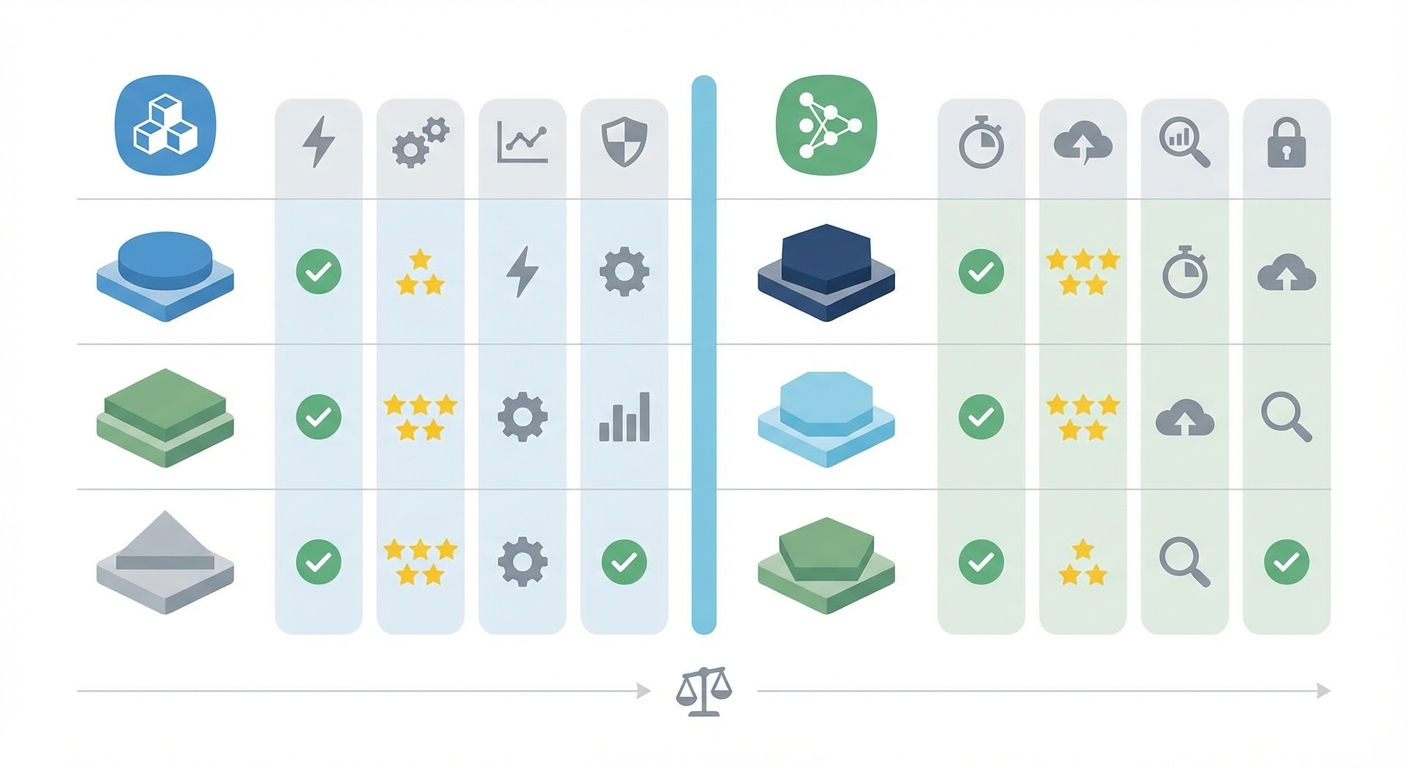
Side-by-Side Comparison: CRM Platforms for Solar Businesses
Now that we’ve examined each CRM platform individually, let’s compare them directly across the criteria that matter most for solar businesses in 2026.
Proposal Generation Speed
QuickEst leads decisively in this category with 60-second proposal generation using pre-built solar templates. Sales representatives can respond to inquiries in real-time, often while still on the phone with prospects.
OpenSolar generates detailed proposals but requires completing the technical design process first, typically taking 30-60 minutes per project depending on complexity.
Zoho CRM, Salesforce, and Pipedrive require third-party integrations or manual document creation for proposals, adding 15-30 minutes to the process even with templates configured.
Winner for solar businesses prioritizing speed: QuickEst
Automation Capabilities
Salesforce offers the most comprehensive automation through its workflow rules, process builder, and Apex code, enabling virtually any automated process imaginable, if you have the technical resources to build it.
QuickEst provides solar-specific automation including automated follow-up sequences, WhatsApp reminders, and email templates designed for solar sales cycles, requiring minimal configuration.
Zoho CRM and Pipedrive offer solid mid-tier automation through workflow builders and email sequences, requiring some technical setup but less complex than Salesforce.
OpenSolar focuses automation on design workflows rather than sales processes, with limited follow-up automation capabilities.
Winner for out-of-the-box solar automation: QuickEst; Winner for custom automation potential: Salesforce
Pricing and Value for Money
Comparing annual costs for a 10-person solar sales team:
- QuickEst: ₹69,990 per year (₹6,999 × 10 users) with no implementation costs
- Zoho CRM: ₹96,000 – ₹3,12,000 per year depending on plan tier, plus implementation costs
- Pipedrive: ₹1,20,000 – ₹4,80,000 per year depending on plan tier
- OpenSolar: Variable based on project volume, typically ₹60,000 – ₹2,40,000 per year
- Salesforce: ₹2,40,000 – ₹14,40,000 per year plus ₹5-20 lakhs implementation, ongoing customization costs
When evaluating value for money, consider not just subscription costs but total cost of ownership including implementation, training, customization, and productivity during the learning curve.
Winner for cost-effectiveness: QuickEst for small to mid-size teams; Salesforce for large enterprises requiring comprehensive features
Ease of Implementation and Learning Curve
QuickEst and Pipedrive offer the fastest implementation, with teams typically productive within 1-3 days. The intuitive interfaces require minimal training, and solar-specific features (in QuickEst’s case) eliminate configuration time.
OpenSolar requires learning the design interface, typically taking 1-2 weeks for team members to become proficient in system design and proposal generation.
Zoho CRM implementation ranges from 2-8 weeks depending on customization requirements, with ongoing learning as teams discover features and capabilities.
Salesforce has the steepest learning curve, with implementation projects typically spanning 2-6 months and requiring dedicated administrators to manage the platform long-term. For guidance on navigating complex implementations, consult our step-by-step CRM implementation guide.
Winner for quick deployment: QuickEst and Pipedrive
Industry-Specific Functionality
QuickEst and OpenSolar are purpose-built for solar businesses, offering industry-specific templates, terminology, and workflows that require no customization.
Zoho CRM, Salesforce, and Pipedrive are general-purpose platforms requiring customization to serve solar businesses effectively. While this offers flexibility, it demands time and technical resources to configure properly.
Winner for solar-specific features: QuickEst for sales focus; OpenSolar for design focus
Integration and Scalability
Salesforce offers the most extensive integration ecosystem through its AppExchange marketplace and robust API, connecting with virtually any business system. The platform scales effortlessly from 10 to 10,000 users.
Zoho CRM integrates well within the Zoho ecosystem and offers API access for custom integrations, scaling effectively for mid-size businesses.
QuickEst provides integrations with essential tools (phonebook, Facebook Ads, Pabbly Connect) and API access for custom connections, scaling well for small to mid-size solar businesses.
Pipedrive and OpenSolar offer moderate integration capabilities through APIs and select third-party connections.
For businesses concerned about future growth, understanding scalability is crucial. Our analysis of CRM scalability questions provides a framework for evaluating long-term platform viability.
Winner for enterprise scalability: Salesforce; Winner for solar business scalability: QuickEst
How to Choose the Right CRM Platform for Your Solar Business
With five distinct CRM platforms offering different strengths, how do you determine which one fits your solar business best? Follow this decision framework to match platform capabilities with your specific requirements.

Assess Your Business Size and Sales Volume
Start by honestly evaluating your current situation and near-term growth trajectory:
Small solar installers (1-10 employees): Prioritize ease of use, quick implementation, and affordable pricing. You need a platform your team can start using immediately without extensive training. QuickEst or Pipedrive typically fit this profile best.
Mid-size solar EPCs (10-50 employees): Balance functionality with usability. You need robust features including team collaboration, performance analytics, and automation, but can’t afford months-long implementation projects. QuickEst, Zoho CRM, or Pipedrive serve this segment well.
Large solar enterprises (50+ employees): Require comprehensive features, deep customization, and enterprise-grade infrastructure. You have dedicated IT resources and can invest in proper implementation. Salesforce or heavily customized Zoho CRM make sense here.
Evaluate Your Team’s Technical Capabilities
Be realistic about your team’s technical expertise and willingness to learn complex systems:
If your sales team consists of experienced solar professionals without strong technical backgrounds, choose platforms with intuitive interfaces and minimal learning curves. Complex platforms like Salesforce will frustrate non-technical users and result in low adoption rates.
If you have dedicated IT staff or technically proficient team members who can handle customization, platforms like Zoho CRM or Salesforce unlock greater flexibility and customization potential.
Determine Your Priority: Speed vs. Customization vs. Design
Identify your primary competitive advantage and choose a CRM platform that amplifies it:
Speed-focused businesses: If you compete on response time and proposal volume, prioritize platforms with rapid proposal generation. QuickEst’s 60-second proposals directly support this strategy.
Customization-focused businesses: If you have unique sales processes or complex requirements, choose platforms offering deep customization. Zoho CRM or Salesforce provide this flexibility.
Design-focused businesses: If technical accuracy and detailed system design differentiate your offerings, platforms like OpenSolar that emphasize engineering capabilities align with your strategy.
Calculate Total Cost of Ownership and ROI
Look beyond monthly subscription fees to understand true costs:
- Subscription costs: Annual fees for all users
- Implementation costs: Setup, customization, data migration
- Training costs: Time spent learning the platform instead of selling
- Integration costs: Connecting with existing tools and systems
- Maintenance costs: Ongoing customization, administrator salaries, updates
- Opportunity costs: Lost deals during implementation and learning curve
Then calculate expected ROI based on:
- Time savings: Hours saved on proposal creation, follow-ups, and administrative tasks
- Conversion rate improvement: Additional deals closed due to faster response times and better follow-up
- Deal size increase: Larger projects won through professional proposals and better customer management
- Team productivity gains: More proposals generated per sales representative
A platform that costs ₹70,000 annually but saves 200 hours of proposal creation time (worth ₹2,00,000 in sales capacity) and improves conversion rates by 5% (worth ₹5,00,000 in additional revenue) delivers exceptional ROI.
Consider Implementation Timeline and Training Needs
Factor in how quickly you need the platform operational:
If you’re entering peak solar season or have immediate sales opportunities, choose platforms with rapid deployment (QuickEst, Pipedrive). Waiting 3-6 months for Salesforce implementation means lost revenue during your busiest period.
If you’re planning ahead with 6-12 months before critical deadlines, you have flexibility to choose more complex platforms and invest in proper implementation.
Test Platforms with Free Trials Before Committing
Never choose a CRM platform based solely on marketing materials or sales presentations. Insist on hands-on testing:
- Sign up for free trials or demo accounts
- Have your actual sales team test the platform with real customer scenarios
- Create sample proposals using your standard offerings
- Test mobile apps in field conditions
- Evaluate the learning curve with team members of varying technical abilities
- Assess customer support responsiveness and quality
The platform that looks impressive in a demo might prove clunky in daily use. Real-world testing reveals usability issues, workflow friction, and adoption challenges before you commit to annual contracts.
Real-World Use Cases: Matching CRM Platforms to Business Needs
Let’s examine specific scenarios showing how different solar businesses should approach CRM platform selection based on their unique situations.

Scenario 1: Small Residential Solar Installer (5-Person Team)
Business Profile: A residential solar installation company with 2 sales representatives, 2 installation technicians, and 1 owner/manager. They handle 30-50 residential projects annually, primarily serving homeowners in suburban areas. Average project value: ₹2.5-3.5 lakhs.
Key Requirements:
- Fast proposal generation to respond to online inquiries within minutes
- Simple interface that sales reps can learn in one day
- Affordable pricing under ₹1 lakh annually
- Mobile access for field work and site surveys
- Automated follow-ups to nurture leads without manual effort
Recommended Platform: QuickEst
Rationale: QuickEst’s 60-second proposal generation directly addresses the need for speed, enabling the small team to compete with larger installers on response time. The ₹6,999 per user annual pricing fits comfortably within budget (₹34,995 for 5 users). The intuitive interface requires minimal training, and solar-specific templates eliminate setup time. The team can be fully operational within 2-3 days.
Expected ROI: If faster proposals improve conversion rates from 15% to 20% on 200 annual inquiries, that’s 10 additional projects worth ₹25-35 lakhs in revenue, a 70-100x return on the CRM investment.
Scenario 2: Mid-Size Solar EPC (25-Person Team)
Business Profile: A commercial and industrial solar EPC with 8 sales representatives, 12 project engineers, and 5 administrative/management staff. They handle 100-150 projects annually ranging from small commercial (50kW) to large industrial (500kW+) installations. Average project value: ₹25-50 lakhs.
Key Requirements:
- Team collaboration across sales, engineering, and project management
- Performance tracking for 8 sales representatives
- Integration with accounting software and project management tools
- Customizable workflows for different project types (commercial vs. industrial)
- Scalability to support growth to 50 employees over 3 years
Recommended Platform: QuickEst or Zoho CRM
Rationale: QuickEst works well if the company prioritizes sales velocity and proposal generation speed, with pricing remaining affordable even at scale (₹1,74,975 for 25 users). The platform’s team collaboration features and real-time analytics support multi-person sales teams effectively.
Zoho CRM becomes attractive if the company needs deeper customization for complex workflows, already uses Zoho’s ecosystem (Zoho Books, Zoho Projects), or requires extensive reporting capabilities. The trade-off is higher implementation complexity and cost.
Expected ROI: For a mid-size EPC, improved sales team productivity (20% more proposals per rep) and better lead nurturing (5% conversion improvement) could generate ₹1-2 crore in additional annual revenue, easily justifying CRM investment of ₹1.75-3 lakhs.
Scenario 3: Large Solar Enterprise (100+ Employees)
Business Profile: A national solar company with operations across multiple states, 30 sales representatives, 50 project engineers, and 20+ administrative staff. They handle 500+ projects annually across residential, commercial, and utility-scale segments. Average project value varies widely from ₹3 lakhs (residential) to ₹5+ crore (utility-scale).
Key Requirements:
- Enterprise-grade infrastructure supporting 100+ concurrent users
- Complex approval workflows for large projects
- Deep integration with ERP, accounting, and project management systems
- Advanced analytics and forecasting for executive decision-making
- Multi-level security and role-based access control
- Dedicated administrator and technical support
Recommended Platform: Salesforce
Rationale: At enterprise scale, Salesforce’s comprehensive features, robust infrastructure, and extensive integration capabilities justify the higher cost and complexity. The company has resources for proper implementation (₹10-20 lakhs) and can employ dedicated Salesforce administrators. The platform scales effortlessly as the company grows to 200-500 employees.
Expected ROI: For a large enterprise, even small percentage improvements in efficiency generate massive returns. A 3% improvement in sales team productivity across 30 representatives could generate ₹5-10 crore in additional revenue, while better pipeline visibility and forecasting improve capital allocation and resource planning.
Scenario 4: B2B Service Company Expanding into Solar
Business Profile: An established B2B service company (HVAC, electrical contracting, or facility management) adding solar installations to their service portfolio. They have existing CRM processes for their core business and 3-5 team members dedicated to the new solar division.
Key Requirements:
- Solar-specific proposal templates without disrupting existing business processes
- Quick implementation for the solar division (under 1 week)
- Ability to operate independently from existing CRM if needed
- Low risk and affordable testing before full commitment
Recommended Platform: QuickEst
Rationale: QuickEst allows the company to test solar CRM capabilities without disrupting existing business systems. The free plan option enables risk-free testing, and the solar-specific features provide immediate value without customization. If the solar division grows, they can either scale QuickEst or integrate it with their existing enterprise CRM.
Expected ROI: Low initial investment (potentially ₹0 with free plan) with immediate productivity gains in solar proposal generation. As the solar division proves viable, the company can make informed decisions about long-term CRM strategy.
Common Mistakes When Selecting CRM Platforms
Avoid these frequent pitfalls that lead to failed CRM implementations and wasted investments:
Choosing Based on Brand Name Rather Than Fit
Many solar businesses select Salesforce or other well-known CRM platforms because of brand recognition, assuming that market leaders must be the best choice. In reality, the “best” CRM platform is the one that fits your specific business needs, team capabilities, and budget constraints.
A small solar installer doesn’t need Salesforce’s enterprise features any more than a large corporation needs QuickEst’s simplicity. Match the platform to your requirements, not to brand prestige.
Underestimating Implementation and Training Costs
The subscription fee is just the beginning. Factor in implementation costs (data migration, customization, integration), training time (hours your team spends learning instead of selling), and opportunity costs (deals lost during the transition period).
A platform with a ₹1,000/month subscription but ₹5 lakh implementation cost is far more expensive than a ₹2,000/month platform that’s operational in 3 days with no implementation fees.
Ignoring User Adoption and Ease of Use
The most feature-rich CRM platform is worthless if your sales team refuses to use it. Prioritize platforms with intuitive interfaces and minimal learning curves, especially if your team isn’t technically inclined.
Low adoption rates doom CRM implementations. If sales representatives continue using spreadsheets and email because the CRM is too complex, you’ve wasted your investment.
Overlooking Integration Requirements
Your CRM platform doesn’t operate in isolation. It needs to connect with your accounting software, email systems, marketing tools, and industry-specific applications. Verify integration capabilities before committing, and budget for custom integration development if needed.
Platforms with limited integration options create data silos and manual data entry, eliminating the efficiency gains you’re seeking.
Failing to Test with Real Sales Scenarios
Don’t rely on vendor demos showing idealized use cases. Test the platform with your actual sales process, your standard proposals, your team members, and your typical customer scenarios.
What works beautifully in a controlled demo might prove clunky when your sales representative is on-site with a customer trying to generate a proposal on a mobile device with spotty internet connectivity.
Making Your CRM Platform Decision in 2026
Choosing the right CRM platform is one of the most impactful decisions you’ll make for your solar business. The platform you select becomes the operational backbone of your sales organization, influencing everything from response times to conversion rates to team productivity.
The five CRM platforms we’ve compared, QuickEst, Zoho CRM, Salesforce, OpenSolar, and Pipedrive, each excel in different areas:
- QuickEst leads in proposal generation speed, solar-specific functionality, ease of implementation, and cost-effectiveness for small to mid-size solar businesses
- Zoho CRM offers extensive customization and integration within the Zoho ecosystem for businesses with technical resources
- Salesforce provides enterprise-grade infrastructure and comprehensive features for large solar companies with substantial budgets
- OpenSolar emphasizes technical design capabilities for businesses competing on engineering accuracy
- Pipedrive delivers visual pipeline management and ease of use for general sales tracking
For most solar businesses in India, the decision comes down to priorities: Do you compete on speed and efficiency, or on customization and comprehensive features? Do you need a platform operational this week, or can you invest months in implementation? Do you have ₹70,000 to spend annually, or ₹15 lakhs?
Start your evaluation process by clearly defining your requirements:
- Document your current sales process and pain points
- Identify must-have features vs. nice-to-have capabilities
- Establish your budget including implementation and training costs
- Assess your team’s technical capabilities and learning capacity
- Determine your timeline for implementation and ROI
Then test the platforms that align with your requirements. Take advantage of free trials, involve your actual sales team in testing, and evaluate platforms with real customer scenarios. The platform that feels intuitive to your team and solves your specific pain points is the right choice, regardless of brand name or feature lists.
Remember that CRM platforms are tools, not magic solutions. The best CRM platform won’t fix broken sales processes or compensate for poor sales skills. But the right platform amplifies your team’s strengths, eliminates friction from your sales workflow, and provides the infrastructure for scalable growth.
If you’re a small to mid-size solar business prioritizing proposal generation speed, ease of use, and fast ROI, QuickEst’s solar-specific platform delivers immediate value. Start with the free plan to test the platform with your team, or explore the Pro Plan at ₹6,999 per user annually for full functionality. You can be generating professional solar proposals in 60 seconds by tomorrow, not waiting months for complex implementations.
For larger enterprises requiring extensive customization, deep integrations, and comprehensive features, invest in proper evaluation of Salesforce or Zoho CRM with dedicated implementation partners who understand solar business requirements.
The solar market in India continues growing rapidly in 2026, with increasing competition for every customer inquiry. The CRM platform you choose today will determine whether you’re responding to leads in 60 seconds or 60 minutes, and that difference determines whether you win or lose deals. Choose wisely, test thoroughly, and prioritize platforms that empower your team to sell more effectively. Your sales performance and business growth depend on it.
Ready to see how the right CRM platform transforms your solar sales process? Contact us to discuss your specific requirements and find the perfect fit for your business needs.
This blog post was written using thestacc.com