

Choosing the right CRM tools can make or break your solar business’s sales performance. In 2026, solar EPCs and installers face mounting pressure to respond faster, close deals quicker, and manage increasingly complex customer relationships. The difference between a generic CRM and a solar-optimized solution often determines whether your team spends their day creating proposals or actually closing deals.
This comprehensive comparison examines the top CRM tools available for solar businesses in 2026, analyzing proposal generation speed, automation capabilities, pricing structures, integration ecosystems, and mobile accessibility. Whether you’re a small solar installer or a large EPC managing hundreds of leads monthly, this guide helps you evaluate which CRM solution aligns with your specific sales process, team size, and budget constraints.
Why Solar Businesses Need Specialized CRM Tools

The solar sales cycle presents unique challenges that generic CRM tools often fail to address effectively. Unlike traditional B2B sales, solar projects involve technical specifications, site assessments, financing options, government incentives, and lengthy decision-making processes. A residential solar customer might take 3-6 months from initial inquiry to installation, while commercial projects can extend beyond a year.
Generic CRMs like Salesforce or Zoho require extensive customization to handle solar-specific workflows. You need fields for system size, panel types, inverter specifications, roof conditions, and subsidy eligibility. Without these built-in capabilities, your sales team wastes hours manually entering data or creating workarounds that inevitably break down.
The ROI impact of choosing the right CRM is substantial. Solar companies using specialized CRM tools report 40-60% faster proposal generation times and 25-35% higher conversion rates compared to those using generic solutions. When your competitor sends a professional proposal within an hour while you’re still gathering information across multiple spreadsheets, you’ve already lost the deal.
Common pain points that solar-specific CRM tools address include:
- Proposal delays: Manual proposal creation taking hours or days instead of minutes
- Missed follow-ups: Leads falling through cracks due to disorganized tracking systems
- Pipeline visibility: Lack of real-time insights into which deals are progressing and which are stalling
- Team coordination: Field sales teams unable to access customer data or update information on-site
- Data silos: Customer information scattered across emails, spreadsheets, and messaging apps
The right CRM tools transform these pain points into competitive advantages, enabling your team to respond faster, follow up consistently, and close more deals with less administrative burden.
Key Features to Evaluate in CRM Tools
Before diving into specific platforms, understanding which features matter most for solar businesses helps you evaluate CRM tools objectively. Not all features carry equal weight, and the “best” CRM depends entirely on your specific operational priorities.
Proposal Generation Speed and Customization
For solar businesses, proposal generation speed directly impacts conversion rates. Research shows that responding to a solar inquiry within 5 minutes makes you 100 times more likely to qualify the lead compared to waiting 30 minutes. Your CRM should enable rapid proposal creation with professional templates that include system specifications, pricing breakdowns, savings projections, and financing options.
Look for CRM tools that offer:
- Pre-built solar proposal templates with brand customization
- One-click proposal generation from lead data
- Multi-channel delivery (email, WhatsApp, SMS)
- Mobile proposal creation for field sales teams
- Version control and proposal tracking
Lead Management and Capture Mechanisms
Effective lead management starts with seamless capture from multiple sources. Your CRM should automatically pull leads from your website, Facebook ads, phone calls, walk-ins, and referrals into a unified system. Manual lead entry creates delays and errors that cost you opportunities.
Essential lead management features include lead scoring, automatic assignment rules, duplicate detection, bulk import capabilities, and customizable lead stages that match your solar sales process.
Automation Features
Automation separates high-performing solar teams from those drowning in administrative tasks. The right CRM tools automate follow-up sequences, send reminders for pending tasks, trigger notifications when leads take specific actions, and update deal stages based on customer interactions.
According to Salesforce research, sales teams using automation spend 30% more time selling and 30% less time on administrative work. For solar businesses operating on thin margins, this efficiency gain directly impacts profitability.
Mobile Accessibility
Solar sales happen in the field, not behind desks. Your sales team needs mobile access to customer data, proposal generation, and pipeline updates while standing on a customer’s roof or sitting in their living room. CRM tools without robust mobile apps force your team to delay responses or work from memory, both of which hurt conversion rates.
Integration Capabilities
Your CRM doesn’t operate in isolation. It needs to connect with your solar design software, accounting systems, email platforms, marketing tools, and communication channels. Integration capabilities determine whether your CRM becomes the central hub of your operations or just another disconnected tool.
Analytics and Reporting
Data-driven decision making requires real-time visibility into sales performance. Your CRM should provide dashboards showing conversion rates by lead source, average deal size, sales cycle length, team performance metrics, and pipeline health indicators. Without these insights, you’re managing your solar business blindly.
QuickEst: Fast Proposal Generation for Solar Sales
QuickEst positions itself as the speed champion among CRM tools for solar businesses, with its signature 60-second proposal generation capability. Designed specifically for solar EPCs, installers, and B2B service companies, QuickEst addresses the most critical bottleneck in solar sales: the time between inquiry and professional proposal delivery.
Core Capabilities
QuickEst’s proposal generation system enables sales teams to create and send professional solar proposals within 60 seconds via WhatsApp or email. The platform includes solar-specific templates that incorporate system specifications, pricing breakdowns, savings projections, and financing options. This speed advantage proves crucial in competitive markets where multiple installers vie for the same customer.
The automated follow-up system eliminates the manual tracking burden that causes most solar leads to go cold. Customizable reminders and email templates ensure consistent touchpoints without requiring sales team intervention. For solar businesses struggling with follow-up automation, this feature alone justifies the investment.
Lead Management and Team Collaboration
QuickEst’s lead management system captures leads from multiple sources and provides a unified dashboard for tracking, prioritizing, and nurturing opportunities. The platform supports bulk lead import from Excel, making migration from spreadsheet-based systems straightforward.
Team collaboration features include task assignment, progress monitoring, and shared insights across the sales organization. Sales managers gain real-time visibility into team activities and pipeline health through analytics dashboards that track conversion rates, proposal acceptance rates, and individual performance metrics.
Mobile and Integration Ecosystem
QuickEst offers native mobile apps for both iOS and Android, enabling field sales teams to access customer data, generate proposals, and update deal stages from customer sites. This mobile-first approach recognizes that solar sales happen wherever the customer is, not just in the office.
Integration capabilities include Phonebook sync, Facebook Ads lead capture, Pabbly Connect for workflow automation, and API access for custom integrations. While not as extensive as enterprise platforms, these integrations cover the essential tools most solar businesses use daily.
Pricing and Ideal Use Cases
QuickEst offers transparent pricing with a free plan at ₹0 for businesses wanting to test the platform, and a Pro Plan at ₹6,999 per user annually for full feature access. This pricing structure makes it accessible for small solar installers while remaining cost-effective for larger EPCs. You can explore current pricing options to determine which plan fits your team size and requirements.
Best for: Solar EPCs and B2B service companies prioritizing proposal generation speed, teams needing quick implementation without extensive IT resources, and businesses seeking solar-specific features without enterprise-level complexity or costs.
Zoho CRM: Customizable General-Purpose Solution
Zoho CRM represents the customizable generalist approach to CRM tools. As part of the broader Zoho ecosystem, it offers extensive customization options that can be tailored to solar business workflows, though this flexibility comes with increased setup complexity.
Customization and Workflow Automation
Zoho CRM’s strength lies in its customization capabilities. You can create custom modules for solar-specific data like system specifications, panel types, inverter models, and subsidy eligibility. Custom fields, page layouts, and workflow rules enable you to build a CRM that matches your exact sales process.
The workflow automation engine supports complex multi-step processes, including automatic lead assignment based on location or system size, triggered email sequences based on customer actions, and automatic task creation when deals reach specific stages. Zoho’s AI assistant, Zia, provides predictive lead scoring and suggests optimal contact times based on historical data.
Multi-Channel Communication
Zoho CRM integrates email, phone, social media, and live chat into a unified communication hub. Sales teams can manage all customer interactions from a single interface, with automatic logging of emails, calls, and messages against customer records. This unified approach prevents information silos that plague solar businesses using disconnected communication tools.
Scalability and Learning Curve
Zoho CRM scales from solo entrepreneurs to large enterprises with thousands of users. However, this scalability comes with complexity. New users often face a steep learning curve, and achieving optimal configuration typically requires dedicated administrator time or external consultants.
The platform offers multiple pricing tiers starting from free for up to three users, with paid plans ranging from ₹800 to ₹2,600 per user monthly (billed annually). Feature limitations at lower tiers mean solar businesses often need mid-tier or higher plans to access essential automation and customization capabilities.
Best for: Businesses needing extensive customization across multiple departments beyond sales, companies already using other Zoho products seeking ecosystem integration, and organizations with dedicated CRM administrators to manage configuration and training.
Salesforce: Enterprise-Grade CRM Platform
Salesforce dominates the enterprise CRM market with comprehensive features, extensive integrations, and powerful analytics. For large solar EPCs managing complex sales processes across multiple regions, Salesforce offers capabilities that smaller CRM tools cannot match.
Comprehensive Feature Set
Salesforce provides end-to-end sales, marketing, and service capabilities within a single platform. Sales Cloud handles opportunity management, forecasting, and pipeline tracking. Marketing Cloud manages campaigns and lead nurturing. Service Cloud supports post-installation customer service and maintenance scheduling.
Einstein AI delivers predictive analytics, opportunity scoring, and automated insights that help solar sales teams prioritize high-value opportunities. Advanced reporting and dashboard capabilities provide executive-level visibility into business performance across regions, product lines, and sales teams.
Integration Ecosystem
Salesforce’s AppExchange marketplace offers thousands of pre-built integrations, including solar-specific apps for design, financing, and project management. This extensive ecosystem means virtually any tool your solar business uses can connect to Salesforce, creating a truly unified technology stack.
Implementation Complexity and Cost
Salesforce’s power comes with significant complexity and cost. Implementation typically requires 3-6 months and dedicated Salesforce administrators or external consultants. Pricing starts around ₹2,000 per user monthly for basic features, with enterprise plans exceeding ₹12,000 per user monthly.
Total cost of ownership extends beyond subscription fees to include implementation costs, ongoing administration, training, and customization. According to Gartner research, organizations should budget 2-3 times the annual subscription cost for implementation and first-year support.
Best for: Large solar enterprises with dedicated IT resources, companies requiring complex multi-department workflows, organizations needing advanced analytics and forecasting capabilities, and businesses with budgets supporting enterprise-level investment in CRM infrastructure.
Pipedrive: Pipeline-Focused Sales Management
Pipedrive takes a visual, pipeline-centric approach to CRM tools. Its drag-and-drop interface makes deal stage management intuitive, though it lacks solar-specific features that specialized platforms provide.
Visual Pipeline Management
Pipedrive’s signature feature is its visual pipeline board, where deals appear as cards that sales teams drag between stages. This visual approach makes pipeline health immediately apparent and helps teams identify bottlenecks where deals stall.
Activity-based selling features prompt sales teams to schedule next actions for every deal, ensuring consistent follow-up. Email integration tracks opens, clicks, and replies, providing insights into customer engagement levels.
Limitations for Solar Businesses
Pipedrive focuses primarily on pipeline management and lacks built-in proposal generation capabilities. Solar businesses need to integrate third-party tools or create proposals outside the CRM, then manually track them within Pipedrive. This disconnected workflow reduces the speed advantage that specialized solar CRM tools provide.
The platform offers limited customization compared to Zoho or Salesforce, making it challenging to capture solar-specific data like system specifications, panel types, or subsidy eligibility without workarounds.
Pricing Structure
Pipedrive pricing ranges from approximately ₹1,000 to ₹4,000 per user monthly depending on the plan tier. Mid-tier plans are typically required to access workflow automation and advanced reporting features that solar businesses need.
Best for: Teams prioritizing pipeline visualization over proposal speed, businesses with simple sales processes not requiring extensive customization, and organizations willing to use separate tools for proposal generation and integrate them with Pipedrive.
OpenSolar: Design-Centric Solar Platform
OpenSolar approaches the solar software market from a design-first perspective, offering advanced technical capabilities that appeal to engineering-focused solar companies. While it includes CRM functionality, its primary strength lies in solar system design and proposal generation with technical specifications.
Advanced Design Capabilities
OpenSolar excels at solar system design with 3D modeling, shading analysis, and detailed engineering specifications. The platform generates proposals that include technical drawings, production estimates, and financial projections based on actual system designs.
For solar companies prioritizing design accuracy and technical detail in proposals, OpenSolar provides capabilities that CRM tools focused primarily on sales management cannot match. The design-to-proposal workflow ensures that customer quotes reflect accurate system specifications and production estimates.
CRM and Lead Management Limitations
While OpenSolar includes basic CRM functionality for tracking leads and opportunities, it lacks the comprehensive lead management, automation, and team collaboration features that dedicated CRM platforms provide. Sales teams managing large lead volumes or complex multi-touch nurturing sequences may find OpenSolar’s CRM capabilities insufficient.
The platform focuses on the technical aspects of solar sales rather than the relationship management and follow-up automation that drive conversion rates. For businesses where sales conversion optimization is the primary challenge, OpenSolar’s design-centric approach may not address the core bottleneck.
Pricing and Target Market
OpenSolar’s pricing varies based on company size and feature requirements, typically positioning it in the mid-to-premium range among solar software solutions. The platform targets solar companies where engineering accuracy and technical proposal detail justify the investment in specialized design software.
Best for: Solar companies prioritizing technical design accuracy, businesses selling complex commercial or utility-scale projects requiring detailed engineering specifications, and organizations where proposal technical detail significantly influences customer decisions.
Side-by-Side Comparison: CRM Tools Feature Matrix
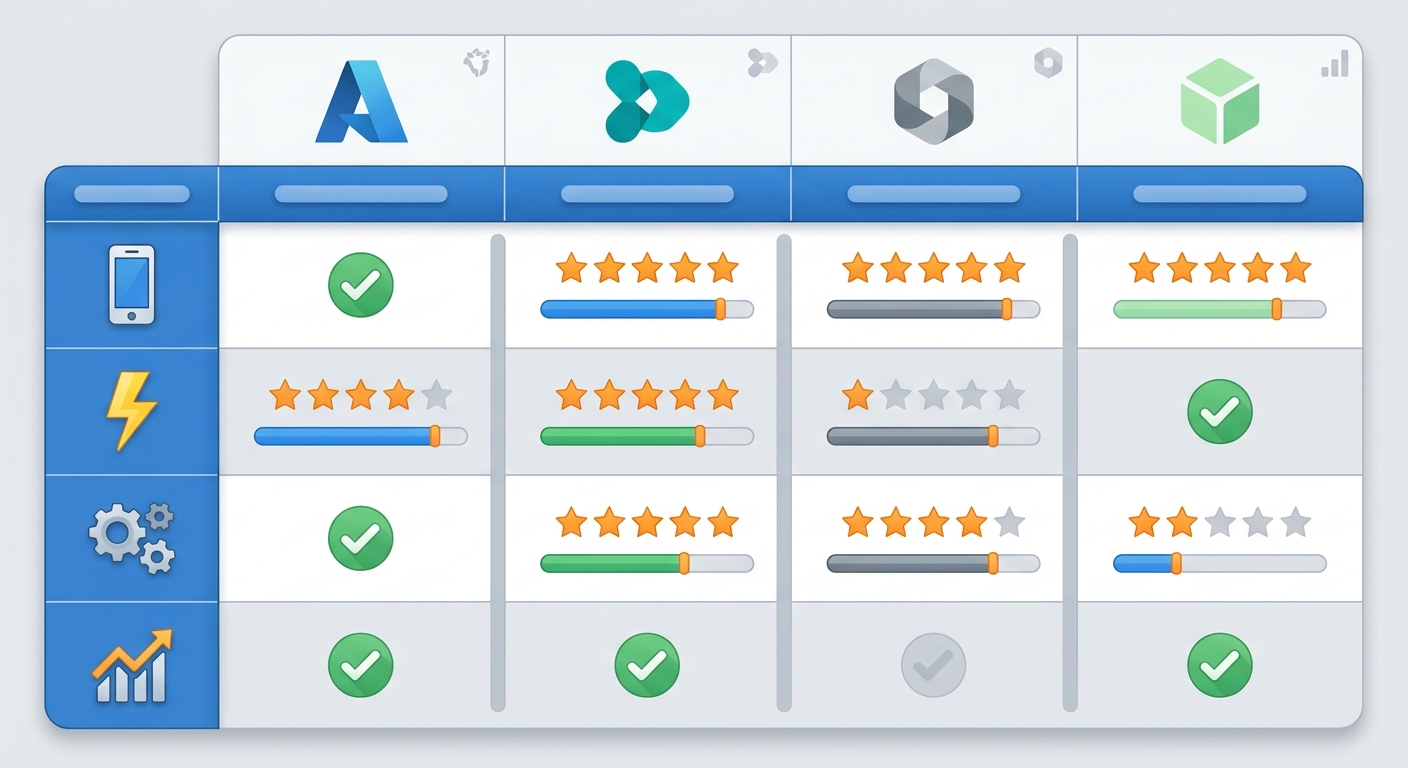
Understanding how these CRM tools compare across critical dimensions helps solar businesses make informed decisions. This feature-by-feature analysis highlights where each platform excels and where it falls short.
Proposal Generation Speed
QuickEst leads decisively with 60-second proposal generation via WhatsApp or email, purpose-built for speed. OpenSolar generates technically detailed proposals but requires more time for design work. Zoho CRM and Salesforce require third-party integrations or custom development for proposal generation. Pipedrive lacks native proposal capabilities entirely.
For solar businesses where response speed determines conversion rates, QuickEst’s specialized approach provides a measurable competitive advantage. Companies prioritizing technical detail over speed may prefer OpenSolar’s design-first workflow.
Automation Capabilities
Salesforce offers the most sophisticated automation with Einstein AI, complex workflow rules, and predictive analytics. Zoho CRM provides robust automation through workflow rules and Zia AI assistant. QuickEst focuses automation on follow-up sequences and reminders most relevant to solar sales. Pipedrive offers activity-based automation and email sequences. OpenSolar provides limited automation focused on design workflows rather than sales processes.
Mobile Accessibility
All platforms offer mobile apps, but functionality varies significantly. QuickEst enables full proposal generation from mobile devices, critical for field sales teams. Salesforce and Zoho CRM provide comprehensive mobile access to all features. Pipedrive offers strong mobile pipeline management. OpenSolar mobile capabilities focus on site assessment and design rather than CRM functions.
Integration Ecosystem
Salesforce dominates with thousands of AppExchange integrations covering virtually every business tool. Zoho CRM integrates seamlessly with the broader Zoho ecosystem and offers extensive third-party connections. Pipedrive provides solid integration options through its marketplace. QuickEst covers essential integrations including Facebook Ads, Pabbly Connect, and API access. OpenSolar focuses integrations on solar-specific tools like monitoring platforms and financing partners.
Pricing Comparison
Entry-level pricing varies dramatically across CRM tools:
- QuickEst: Free plan available; Pro Plan at ₹6,999 per user annually
- Zoho CRM: Free for up to 3 users; paid plans from ₹800 to ₹2,600 per user monthly
- Pipedrive: Approximately ₹1,000 to ₹4,000 per user monthly
- Salesforce: Starting around ₹2,000 per user monthly; enterprise plans exceeding ₹12,000 monthly
- OpenSolar: Custom pricing based on company size and requirements
Total cost of ownership extends beyond subscription fees. Salesforce and Zoho CRM typically require significant implementation investment. QuickEst and Pipedrive offer faster deployment with lower setup costs. For detailed analysis of what you’re actually paying for beyond the sticker price, review our guide on solar CRM software costs.
Implementation Time and Complexity
QuickEst and Pipedrive can be deployed in days with minimal configuration. Zoho CRM typically requires 2-4 weeks for proper setup and customization. Salesforce implementations span 3-6 months for comprehensive deployment. OpenSolar implementation time depends on design workflow complexity and team training requirements.
Support and Training Resources
All platforms provide documentation and training resources, but depth and accessibility vary. Salesforce offers extensive Trailhead learning platform and large consultant ecosystem. Zoho CRM provides comprehensive documentation and active user community. QuickEst focuses on responsive support for quick issue resolution. Pipedrive and OpenSolar offer standard support tiers with varying response times.
How to Choose the Right CRM Tools for Your Solar Business

Selecting the optimal CRM tools requires systematic evaluation of your specific business context, not just feature checklists. The “best” CRM for a 5-person solar installer differs dramatically from the ideal solution for a 200-person EPC managing projects across multiple states.
Assess Your Team Size and Sales Process Complexity
Small teams (1-10 people) benefit from simple, fast-deploying CRM tools like QuickEst or Pipedrive that don’t require dedicated administrators. Mid-size teams (10-50 people) can leverage Zoho CRM’s customization while managing the increased complexity. Large enterprises (50+ people) may justify Salesforce’s comprehensive capabilities and implementation investment.
Sales process complexity matters as much as team size. If your solar business follows a straightforward residential sales process, sophisticated enterprise features add cost without value. Complex commercial or utility-scale projects with multiple stakeholders, lengthy approval processes, and technical requirements may warrant more robust platforms.
Identify Must-Have vs. Nice-to-Have Features
Create a prioritized feature list distinguishing between critical capabilities and optional enhancements. For most solar businesses, must-have features include:
- Fast proposal generation and delivery
- Automated follow-up sequences
- Mobile access for field sales teams
- Lead capture from multiple sources
- Basic reporting on conversion rates and pipeline health
Nice-to-have features might include advanced AI predictions, complex workflow automation, extensive third-party integrations, or sophisticated forecasting tools. Don’t pay for enterprise features your team won’t use.
Calculate Total Cost of Ownership
Subscription fees represent only part of your true CRM investment. Factor in implementation costs, data migration, training time, ongoing administration, customization, and integration development. A platform with lower subscription fees but high implementation costs may prove more expensive than a higher-priced solution that deploys quickly.
Consider opportunity costs as well. If CRM implementation takes six months, how many deals might you lose during that period due to continued reliance on inefficient processes? Sometimes paying more for faster deployment delivers better ROI.
Evaluate Scalability for Future Growth
Your CRM should accommodate growth without requiring platform migration in two years. Assess whether the platform supports additional users, expanded feature requirements, and increased data volumes as your solar business scales. Before committing, review our guide on CRM scalability questions to ensure your chosen platform grows with your business.
Test with Free Trials or Demos
Never select CRM tools based solely on marketing materials or feature lists. Request demos, sign up for free trials, and have your actual sales team test the platforms with real workflows. Pay attention to user experience, mobile app quality, and whether the platform actually solves your specific pain points.
During trials, test critical workflows like lead import, proposal generation, follow-up automation, and mobile access. Involve your sales team in evaluation since they’ll use the system daily. The best CRM on paper means nothing if your team won’t adopt it.
Questions to Ask Vendors During Evaluation
When evaluating CRM tools, ask vendors these critical questions:
- What’s the typical implementation timeline for a company our size?
- What implementation support do you provide, and what requires external consultants?
- How do you handle data migration from our existing systems?
- What training resources are available for our team?
- How do you calculate pricing as we add users or features?
- What integrations are native vs. requiring third-party tools?
- How do you handle product updates and feature releases?
- What’s your average customer retention rate in the solar industry?
- Can you provide references from similar-sized solar companies?
Vendor responses reveal not just product capabilities but also their understanding of solar business challenges and commitment to customer success.
Implementation Best Practices for CRM Tools
Selecting the right CRM tools is only half the battle. Successful implementation determines whether your CRM investment delivers promised ROI or becomes another underutilized software subscription.
Data Migration Strategies
Clean your data before migration. Remove duplicate leads, standardize field formats, and archive inactive records. Migrating messy data creates a messy CRM that undermines user adoption. Most platforms support CSV import, but complex data structures may require API-based migration or professional services.
Plan migration in phases rather than attempting to move everything simultaneously. Start with active leads and opportunities, then migrate historical data once core workflows are functioning. This phased approach reduces risk and allows your team to adapt gradually.
Team Training and Adoption Tactics
User adoption makes or breaks CRM success. Involve your sales team in platform selection and configuration decisions. People resist tools imposed on them but embrace solutions they helped choose. Identify CRM champions within your team who can advocate for adoption and help colleagues overcome learning curves.
Provide role-specific training focused on daily workflows rather than comprehensive feature overviews. Sales reps need to know how to create proposals and update deals, not how to configure workflow rules. Keep training sessions short, practical, and immediately applicable.
For comprehensive guidance on successful deployment, consult our CRM implementation guide covering each phase from planning through optimization.
Customization Priorities for Solar Workflows
Start with minimal customization to get your team using the CRM quickly, then iterate based on actual usage patterns. Over-customization before launch delays deployment and often addresses theoretical problems rather than real ones.
Prioritize customizations that directly impact sales efficiency: proposal templates, automated follow-up sequences, lead assignment rules, and mobile access optimization. Defer nice-to-have customizations like complex reporting dashboards until core workflows are functioning smoothly.
Integration Setup with Existing Tools
Map your current technology stack and prioritize integrations based on data flow frequency and business impact. Integrating your CRM with Facebook Ads for automatic lead capture delivers immediate value. Connecting to your accounting system can wait until core sales processes are optimized.
Test integrations thoroughly before relying on them for critical workflows. Automated data sync failures can create duplicate records, lost leads, or inaccurate reporting that undermines CRM trust.
Measuring ROI and Success Metrics
Define success metrics before implementation so you can measure actual impact. Common CRM ROI metrics for solar businesses include:
- Average time from inquiry to proposal delivery
- Lead-to-customer conversion rate
- Average sales cycle length
- Number of follow-up touches per lead
- Proposal acceptance rate
- Sales team time spent on administrative tasks vs. selling
- Pipeline visibility and forecast accuracy
Track these metrics before and after CRM implementation to quantify ROI. Most solar businesses see measurable improvements within 3-6 months of proper implementation.
Common Implementation Pitfalls to Avoid
Avoid these frequent mistakes that derail CRM implementations:
- Skipping data cleanup: Migrating dirty data creates a messy CRM from day one
- Over-customizing before launch: Delays deployment and addresses theoretical rather than real problems
- Inadequate training: Teams can’t adopt tools they don’t understand
- Ignoring mobile experience: Field sales teams need mobile access, not just desktop functionality
- No executive sponsorship: CRM adoption requires leadership commitment and modeling
- Treating implementation as one-time project: CRM optimization is ongoing, not a launch-and-forget initiative
Frequently Asked Questions About CRM Tools for Solar
What’s the average ROI timeline for solar CRM implementation?
Most solar businesses see measurable ROI within 3-6 months of proper CRM implementation. Quick wins include faster proposal generation (immediate impact), improved follow-up consistency (1-2 months), and increased conversion rates (2-4 months). Full ROI including team productivity gains and pipeline optimization typically materializes within 6-12 months. The timeline depends heavily on implementation quality, team adoption, and how inefficient your previous processes were.
Can I integrate CRM tools with my existing solar design software?
Integration capabilities vary significantly across CRM tools. Salesforce and Zoho CRM offer extensive integration options through APIs and third-party connectors. QuickEst provides API access and integration with tools like Pabbly Connect for workflow automation. OpenSolar focuses on solar-specific integrations with monitoring platforms and financing partners. Before committing to a CRM, verify that it integrates with your specific design software, either natively or through middleware platforms like Zapier or Pabbly Connect.
How long does typical CRM implementation take?
Implementation timelines range from days to months depending on platform complexity and customization requirements. QuickEst and Pipedrive can be operational within days with minimal configuration. Zoho CRM typically requires 2-4 weeks for proper setup, customization, and team training. Salesforce implementations span 3-6 months for comprehensive deployment including data migration, customization, integration, and change management. Factor in additional time for team adoption and workflow optimization regardless of platform.
What’s the difference between cloud-based and on-premise CRM?
Cloud-based CRM tools (like all platforms discussed here) run on vendor servers and are accessed via web browsers and mobile apps. They require no IT infrastructure, offer automatic updates, and enable access from anywhere with internet connectivity. On-premise CRMs run on your own servers, requiring IT infrastructure, maintenance, and manual updates. For solar businesses, cloud-based CRMs offer superior mobile access, lower upfront costs, and easier scalability. On-premise solutions are increasingly rare except in large enterprises with specific security or compliance requirements.
Do I need technical expertise to set up these CRM tools?
Technical requirements vary by platform. QuickEst and Pipedrive are designed for non-technical users and can be configured by sales managers without IT support. Zoho CRM benefits from technical expertise for advanced customization but can be set up at a basic level without coding skills. Salesforce typically requires dedicated administrators with Salesforce-specific training or external consultants. OpenSolar requires understanding of solar design principles but not necessarily technical IT skills. If your team lacks technical expertise, prioritize platforms with simpler setup processes and responsive vendor support.
Take the Next Step with the Right CRM Tools
Choosing the right CRM tools for your solar business in 2026 comes down to aligning platform capabilities with your specific operational priorities, team size, and budget constraints. If proposal generation speed and quick implementation are your primary needs, QuickEst’s solar-specific approach delivers immediate impact. If extensive customization across multiple departments matters most, Zoho CRM or Salesforce provide the flexibility you need, though with increased complexity and cost.
The solar market’s competitive intensity makes CRM selection a strategic decision, not just a software purchase. Companies that respond faster, follow up consistently, and provide professional proposals win more deals. The right CRM tools transform these capabilities from aspirations into operational reality.
Don’t let analysis paralysis delay your decision. Start with a clear assessment of your must-have features, test platforms with free trials involving your actual sales team, and choose the solution that solves your most pressing pain points. You can always migrate to a different platform later if your needs evolve, but continuing with inefficient manual processes costs you deals every single day.
Ready to experience how fast proposal generation transforms your solar sales process? Explore QuickEst’s pricing options starting with the free plan at ₹0, or upgrade to the Pro Plan at ₹6,999 per user annually for full automation and team collaboration features. See firsthand how 60-second proposal generation and automated follow-ups can boost your conversion rates and free your team to focus on closing deals instead of administrative tasks. Contact us to discuss which CRM tools configuration best fits your solar business’s specific requirements and growth trajectory.
This blog post was written using thestacc.com